An alternative large negative format to 65mm origination -
Vistamorph ®
|
Read more
at in70mm.com The 70mm Newsletter |
| Written by: Chris O'Kane | Date: 24 January 2007 |
|
|
More
in 70mm reading: 65/70mm Workshop Cinema Lists Internet link: 70mm 5-perf cinemas outside North America 70mm 5-perf cinemas in North America |
 Vistamorph
70mm frame. Press image to see HUGE
enlargement. Vistamorph
70mm frame. Press image to see HUGE
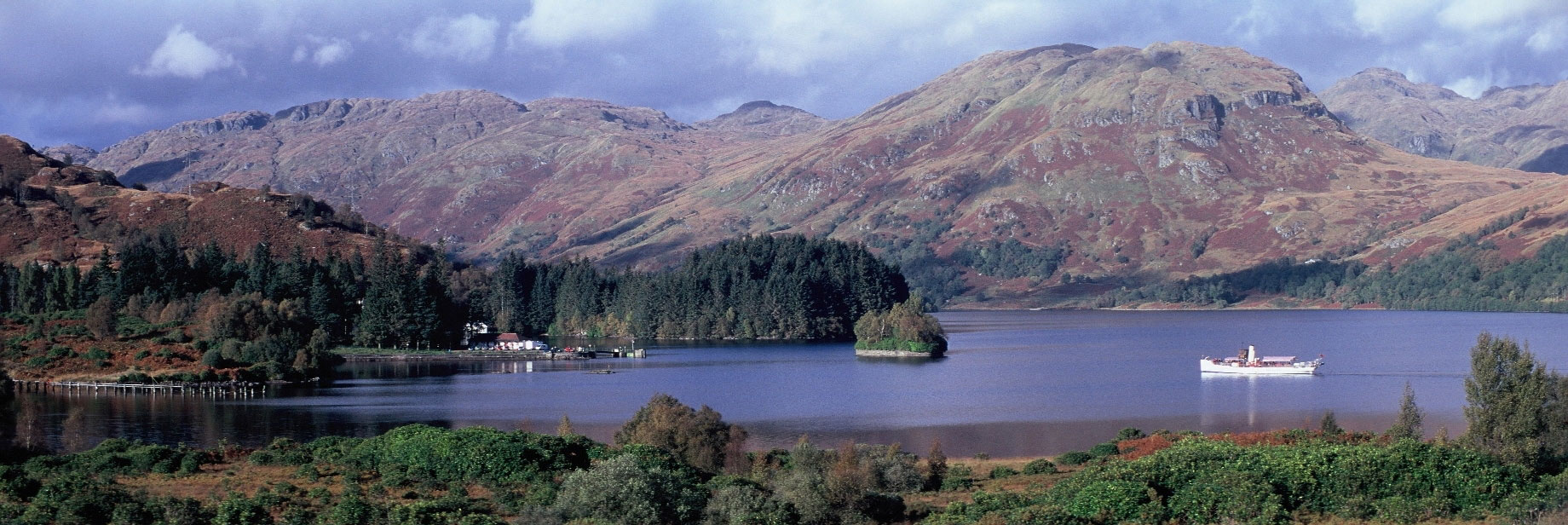
enlargement.In March of 2000 a short test film was shot using a Technicolor model camera from Panavision and a Nikon prime lens coupled with a x2 anamorphic attachment. The film was shot in good daylight on Eastman Kodak EXR 50D 35mm stock. The film “A Trip to Dunoon” was shot on the west coast of Scotland in early spring and consists of several shots of moving boats, vehicles and people in a rural landscape. The film also includes moving camera shots. This was done to test for strobing problems in theatre viewing. These proved to be minimal and non intrusive for the audience. The negative was processed by Technicolor in England and was telecined by The Mill in London. The negative was cut by Trucut of London and a 70mm Vistamorph projection print was produced by Technicolor using existing Technirama printing equipment. The test film was run a DKP75 Kinoton projector with a 3K lamp and shown on a 56ft Todd AO screen where the aspect ratio exceed the width of the screen at 3:1 to 1 The film was also test run on the Pictureville Cinerama screen in Bradford and on the 96ft Cinerama screen at the Martin Cinerama Theatre in Seattle, where the aspect ratio of the screen was exceeded also. This was done using a medium focal length backing lens attached to an industry standard x2 anamorphic with a 7K lamp as a light source. The development of better lenses and cameras would further improve the quality of the Vistamorph process and make it a viable system to produce super-wide-screen motion pictures. The costs to do this need not be excessive as some existing equipment could be adapted for the purpose. The VistaVision negative format lends itself to fitting in with existing printing techniques. Technicolor can produce either a 70mm or 35mm anamorphic print from the Vistamorph negative and DTS can produce a surround sound track for the film. A multiplex cinema could knock two large halls into a large one and build within it a Vistamorph auditorium that would allow the screening of, not only Vistamorph 70mm format films, but also all existing 70mm, 35mm and future digital formats too. |
|
Vistamorph requires at this stage a three-phase development. |
|
|
Phase 1: Production and testing of a full-scale prototype system and test
film. Phase 2: Production of new equipment for filmmaking and the building, or adaption of an existing theatre as a Vistamorph auditorium in a popular location. Phase 3: Establishing the concept worldwide. Vistamorph is a UK registered trade mark - Copyright© Chris O’Kane 2007 |
|
|
Go: back
- top -
back issues
- news index Updated 22-01-25 |
|