


Time Travel with Ken Roe & | Read more at in70mm.com The 70mm Newsletter |
| Written by: Thomas Hauerslev | Date: 19.11.2026 |
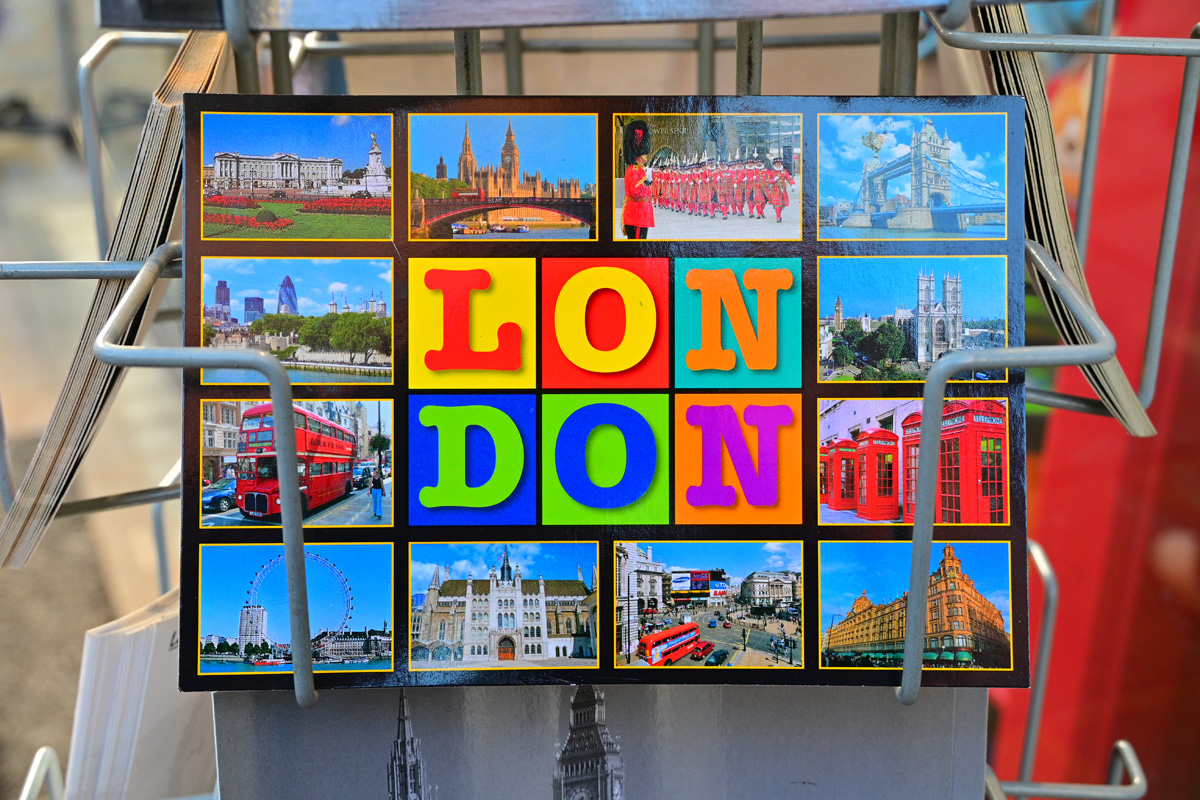 "London" postcard captured near Trafalgar Square. Picture: Thomas Hauerslev Although the pages of in70mm.com generally focus on 70mm and large-format films and cinemas, I thought it would be relevant from time to time to go back to the origins and see where this whole "moving pictures circus" originally came from. How did cinema begin? What did cinemas look like? And so on. 2026 marks the 130th anniversary of the beginnings of cinema in many countries, including the Kingdoms of Denmark and the United Kingdom. Two different European nations, divided by the North Sea, yet with strong cultural, historical and trading links. Exports across the water include Danish bacon, Lurpak butter and SPAM from Tulip, in return for The Beatles, British humour from the BBC, and English Breakfast tea. Another British export made its way across the North Sea 130 years ago, when English cinema pioneers Robert W. Paul and Birt Acres both supplied films and projectors to Denmark in June 1896. Shortly afterwards, Charles Urban, manager of the Warwick Trading Company, also joined them as a supplier during the early years of "moving pictures". The origins of Danish cinema are closely linked to the United Kingdom. • Go to The Origins of “Living Pictures” in Denmark In 2025, Mr Ken Roe (1944) suggested that I should come to London and give a 90-minute talk on this subject for the Cinema Theatre Association (1967), a British association founded nearly 60 years ago. Ken is one of the founding fathers of the Cinema Theatre Association. I happily accepted the invitation and titled my lecture "The Origins of Danish Cinema", to be presented on Friday, 13 November 2026. With all this in mind, my wife and I travelled to London for four days. What follows is a kind of "mission report" from our visit to London. | More in 70mm reading: “Living Pictures” in Denmark Cinemas of Copenhagen (2000) + Update (2003) Odeon Leicester Sq (2012) West End Cinemas (1990) Prince Charles Cinema (2017) 70mm Cinema and Film in the United Kingdom Projection and Wide Film (1895-1930) in70mm.com News Peripheral Vision, Scopes, Dimensions and Panoramas in70mm.com's Library Presented on the big screen in 7OMM 7OMM and Cinema Across the World Now showing in 70mm in a theatre near you! 70mm Retro - Festivals and Screenings |
Time Travel with Ken Roe | |
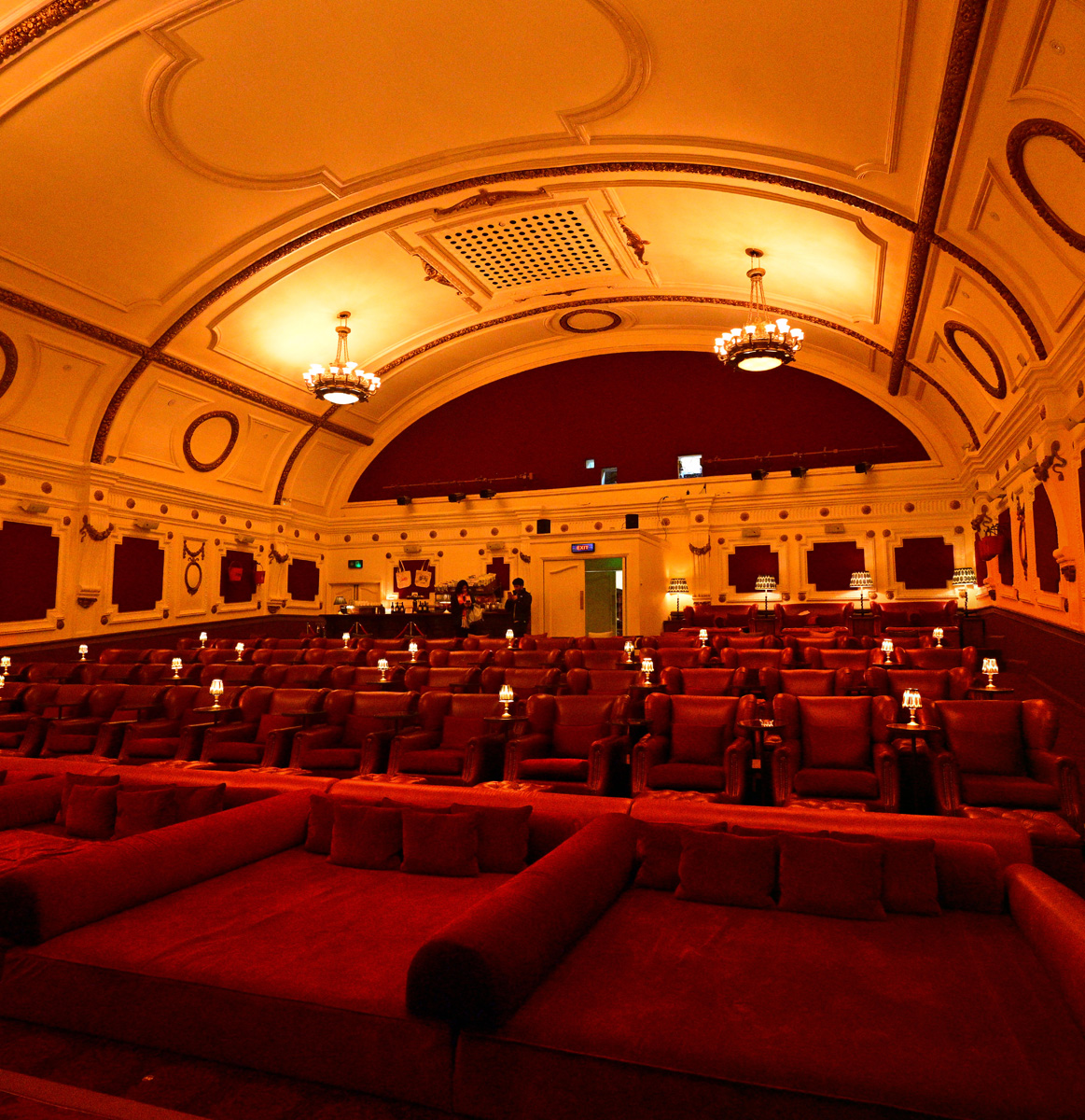 The Electric Cinema, Notting Hill. Portobello Road, London — Opened 1910. Picture: Thomas Hauerslev Upon arrival on the first day, at around 11 o'clock, I met Ken and Howard B. Hass from Philadelphia, USA, at my hotel. Unable to check in so early, I stored our luggage and went on a bit of "cinema sightseeing" with Ken and Howard. Howard travels to London once a year in November to explore cinemas and architecture, and joined us for the first half of the expedition. Howard is an in70mm.com contributor and has frequently written and photographed his 70mm adventures on the US East Coast. Ken took us on a guided tour of three local community cinemas, all listed buildings and dating back to the silent-film era around 1910: The Gate Picturehouse (1911) and The Electric Cinema (1910), both in Notting Hill, and The Screen on the Green (1913) in Islington. By comparison, the four oldest Danish cinemas still in operation are Svaneke Biografteater and Korsør Biografteater (1908), and Ringkøbing Biograf and Grand Teatret in Copenhagen (1913). We spent the afternoon exploring these classic cinemas, all still in operation. Thanks to the very welcoming staff at each venue, we were able to take some photographs. As was common in those days, at least in Denmark, there was very little lobby or foyer space in any of the three London cinemas. From the street, you almost walked straight into the cinema. Toilets were accessed from inside the auditorium. Both The Electric and The Screen on the Green had arched ceilings, as did some similar Danish cinemas. A bar at the rear was a very convenient feature in both places. The Screen on the Green had a red curtain in front of the screen, with the gentlemen's toilet to the left and the exits to the right. The Electric had no curtain. Instead, it featured a large CinemaScope-format "floating" screen in front of the original 4:3-shaped screen frame. The toilets were to the right of the stage and the exits to the left. Both cinemas had comfortable, luxury-style seating with small tables and lamps. Their façades featured illuminated signage and arched entrances, while The Electric even had a Byzantine-style dome. Display boards outside announced the films being shown. | |
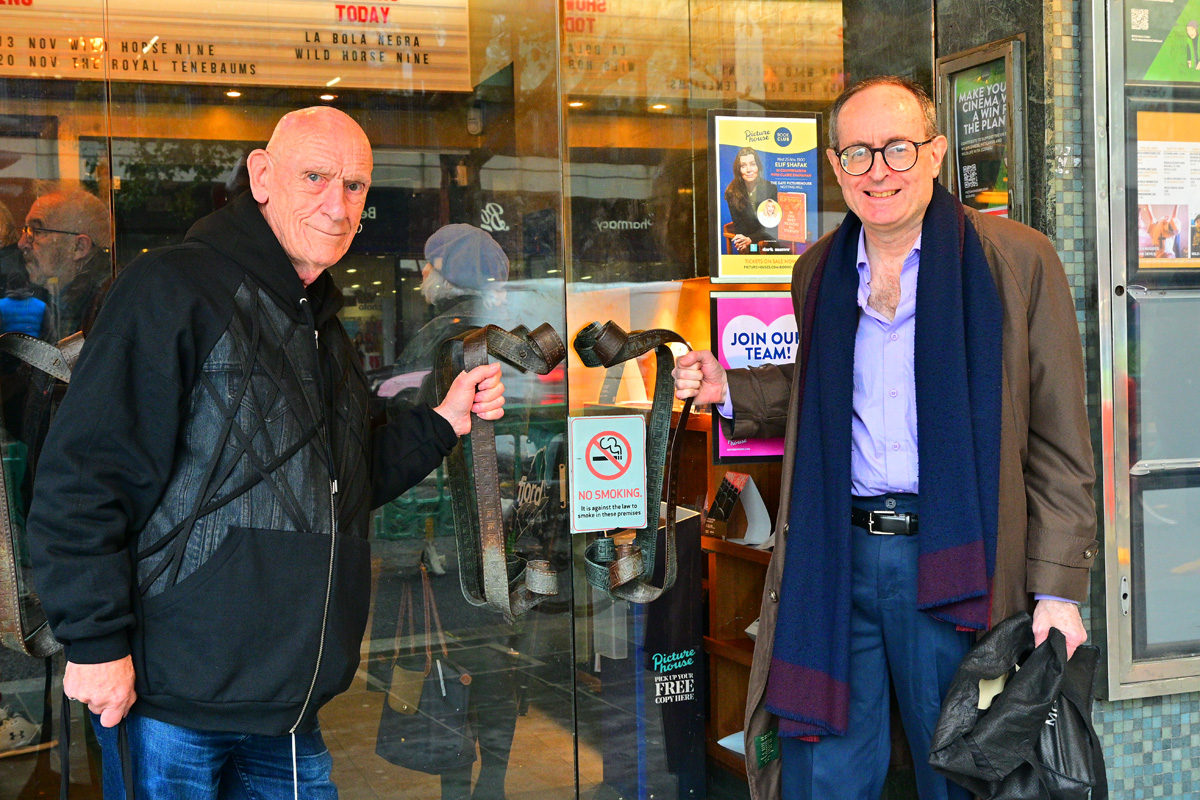 Ken Roe and Howard B. Hass captured by the doors of the Gate cinema. Note the door handles shaped like 35mm film. Picture by: Thomas Hauerslev The Gate was a different kind of room. It was rather like a large shoebox, with a ceiling of richly decorated plasterwork and an old-fashioned coffered ceiling. The screen was covered by a red curtain with gold decorations. Its very small entrance foyer was a little more contemporary, but not too modern, with a combined bar and ticket office. There were posters outside and an acrylic signboard on the corner of the entrance. The door handles were shaped like metal 35mm film strips. The two floors above the cinema once housed a brothel in the old days, as Ken enthusiastically explained to us. Ken also worked as manager of The Gate. Ken Roe's enthusiasm for cinema history was infectious, and I wish we could have visited more cinemas, but we only had so much time. Meeting Ken and experiencing his enthusiasm for cinema was a real treat. At the age of 82, he enthusiastically showed me around three vintage cinemas over the course of an entire afternoon, and we only got lost once on the Underground! Our cinema visits concluded at around five in the afternoon. Howard had already left us after our visit to Notting Hill. Both tired and suffering from feeling slightly exhausted, we felt the need for a cup of tea. We sat down to reflect on the day and talk about cinemas (what else?). Oh, did I mention that Ken is also co-editor of the absolutely HUGE website Cinema Treasures, dedicated to cinema history around the world? | |
Brief story about three cinemas | |
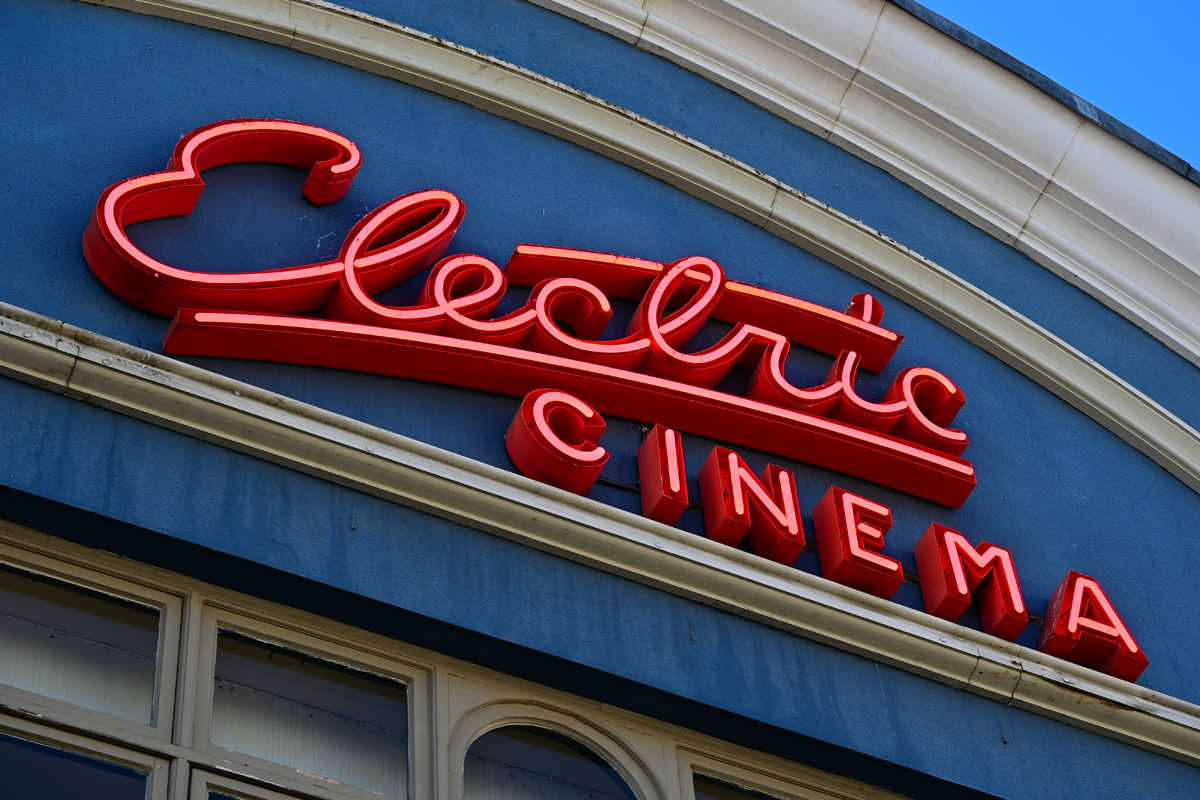 The Electric Cinema, Notting Hill. Portobello Road, London — Opened 1910. Picture by: Thomas Hauerslev The Electric Cinema on Portobello Road is one of Britain's oldest purpose-built cinemas. Designed by architect Gerald Seymour Valentin, it opened in February 1910 in the Edwardian Baroque style. The original auditorium seated approximately 600 people. The building is particularly interesting for its richly decorated interior, with ornate plasterwork, carved woodwork and a barrel-vaulted ceiling. Its architectural quality is recognised by its Grade II listing, making it an important part of Britain's cinema heritage. The Electric has experienced several changes of identity and periods of uncertainty. In 1993 it reopened as Britain's first Black-owned cinema, becoming an important centre for Black filmmaking and culture. Following another closure, it reopened in 2002 after restoration and conversion. Today, with its distinctive façade and intimate auditorium, the Electric remains a landmark on Portobello Road. It is a remarkable example of how an early cinema building can survive changing times while retaining its original purpose. • Go to gallery The Electric Cinema, Notting Hill | |
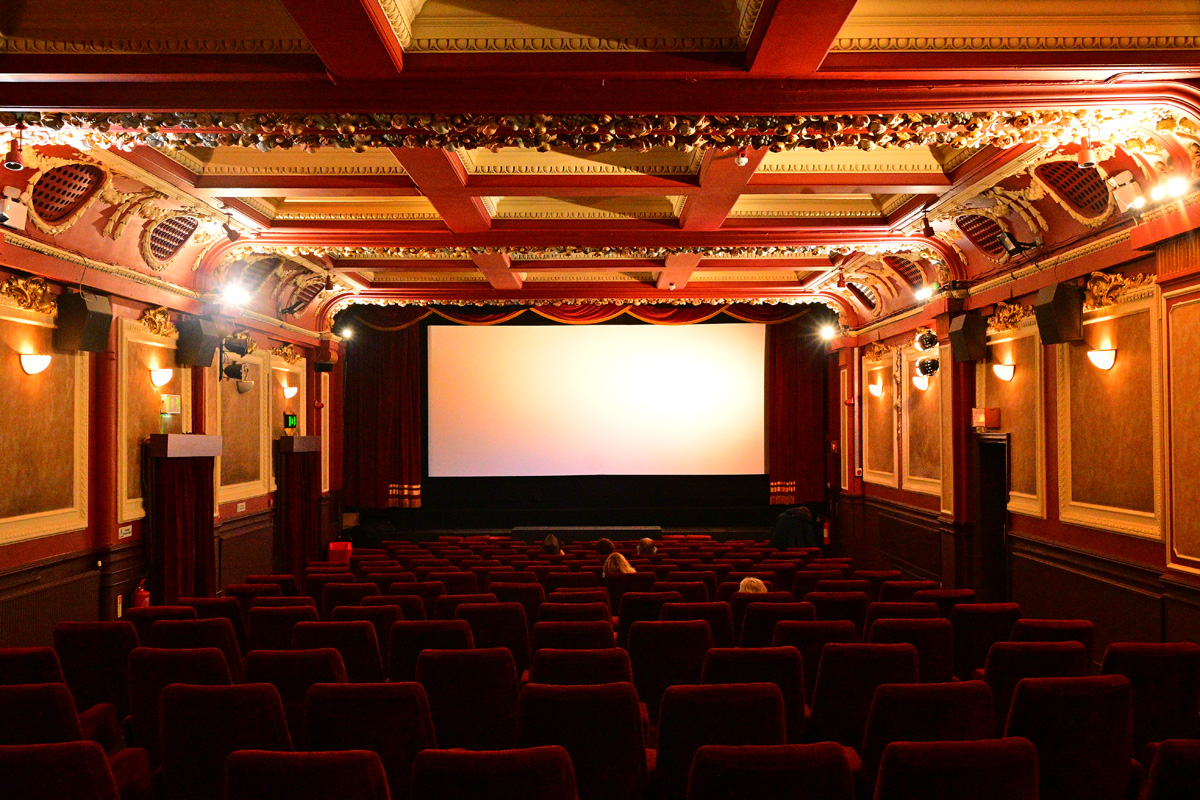 The Gate Picturehouse, Notting Hill. London, England — Opened 1911. Picture by: Thomas Hauerslev The Gate Picturehouse is one of London's most attractive surviving early cinemas. Located on Notting Hill Gate, it first opened on 15 April 1911 as the Electric Palace, with seating for 280 and standing room for another 200 patrons. The cinema was converted from an earlier building, originally a restaurant, and retains much of the character of its Edwardian origins. The auditorium is particularly impressive, with elaborate Baroque plasterwork, decorative detailing and a fine barrel-vaulted ceiling. After operating under several names, including the Embassy, the cinema became The Gate in 1974. It developed a reputation for independent, experimental and art-house films, and joined the Picturehouse group in 2003. The Gate is a small but important survivor from the pioneering years of cinema exhibition. More than 110 years after opening, it continues to offer audiences something that modern multiplexes rarely provide: the pleasure of watching a film in a genuine historic cinema. • Go to galey The Gate Picturehouse, Notting Hill | |
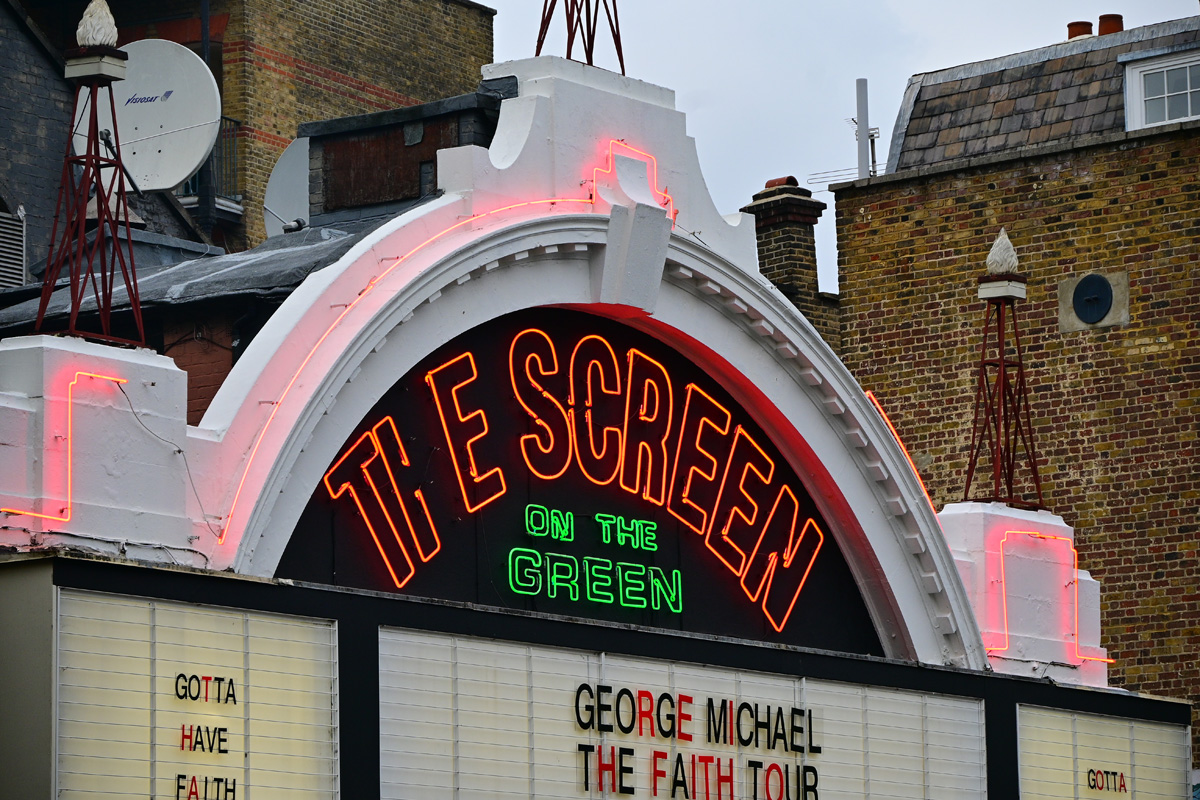 The Screen on the Green, Islington. Upper Street, London — Opened 1913. Picture by: Thomas Hauerslev The Screen on the Green occupies a prominent position opposite Islington Green. The cinema opened in October 1913 as the Empress Electric Theatre, designed by architects Boreham & Gladding, with seating for approximately 600 people. The original auditorium featured a barrel-vaulted ceiling with decorative plaster ribs. Following refurbishment in 1951, it reopened as the Rex Cinema, a name it retained until 1970. That year, cinema entrepreneur Romaine Hart acquired the building and reopened it as the Screen on the Green. It quickly established a reputation as an independent cinema with an adventurous programme. During the 1970s it also became a venue for live music, most notably hosting the Sex Pistols, The Clash and Buzzcocks at a celebrated punk event in August 1976. The cinema has undergone several alterations, but retains much of its original character. Today it operates as an Everyman cinema. With its distinctive arched façade and prominent position on Islington Green, the Screen on the Green remains one of London's most recognisable historic picture houses. • Go to galley The Screen on the Green, Islington | |
Lecturing about "The Origins of Danish Cinema" | |
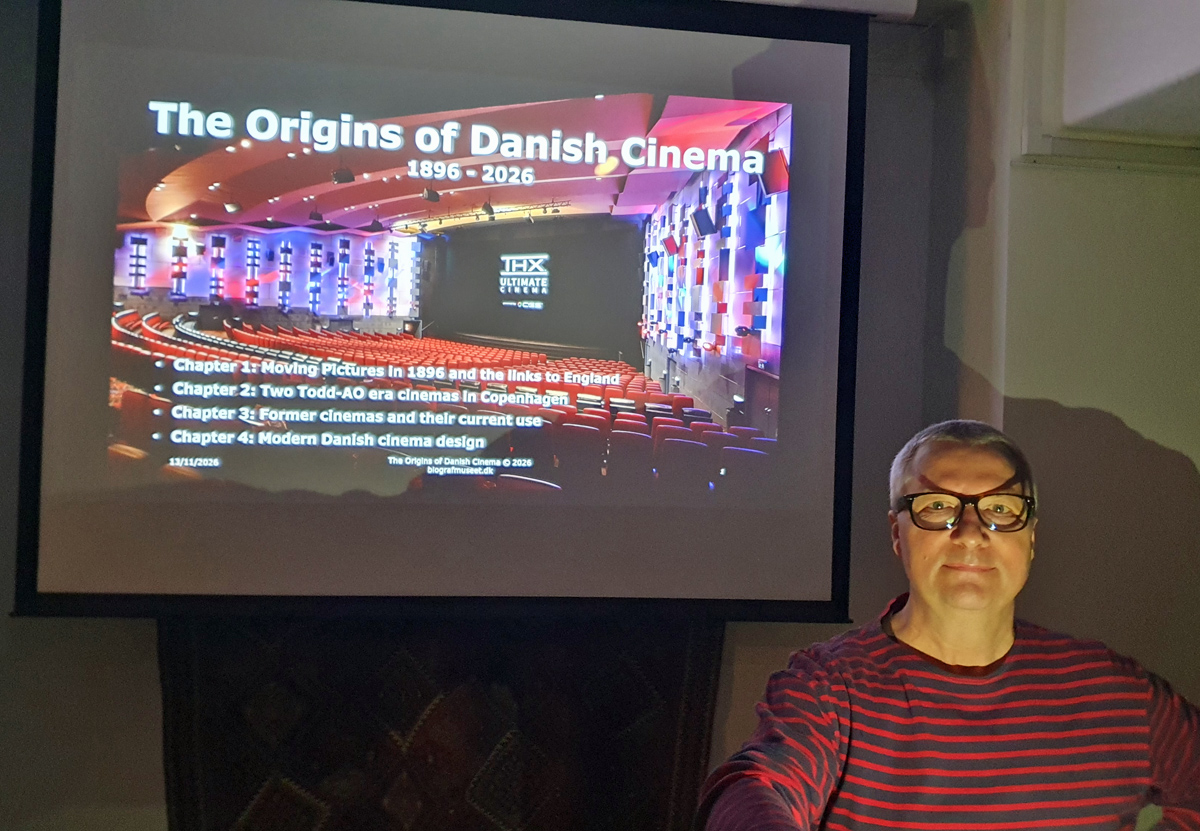 Tonight's lecturer, Halloween style. Picture by: Richard Norman, and lit by Thomas phone The main purpose of the visit finally arrived on Friday afternoon, at around 17:15. I was about to give my illustrated talk, "The Origins of Danish Cinema", to members and guests of the Cinema Theatre Association (CTA). The CTA has an ongoing series of international talks, with previous guest speakers from France, Australia and elsewhere. The meeting room is located very close to Farringdon station. About 20 people had bought tickets for the talk, and including my wife and myself, the organisers, Ken and co-organiser Richard Norman, I would estimate that the entire audience consisted of around 30 people. The first guests began arriving at 17:45, and the talk was scheduled to begin at 18:15, followed by wine and nibbles between 20:00 and 21:00. • Go to galley Cinema Theatre Association, London I was pleased to see some familiar faces in the audience, as well as meeting several CTA members, including Allen Eyles (1941), author of "London's West End Cinemas" (1984). Allen has written many books about British cinema and is a co-founder of the CTA. I have had a copy of his "London's West End Cinemas" in my book collection for 40 years. A real treasure! Richard Norman welcomed the audience, ran through forthcoming events and then handed over to Ken, who kindly introduced the guest speaker (me) as a Danish cinema historian and projectionist. Something to put on my next business card! How do you compress 130 years of history into 90 minutes? I had prepared around 100 slides, organised into three or four main chapters: • Early Beginnings: Denmark's first public moving-picture screening on 7 June 1896. • The Golden Era: The 1950s, 70mm cinema architecture and design. • Reuse & Modern Cinemas: Former cinemas now serving alternative purposes, alongside contemporary Danish cinema design. | |
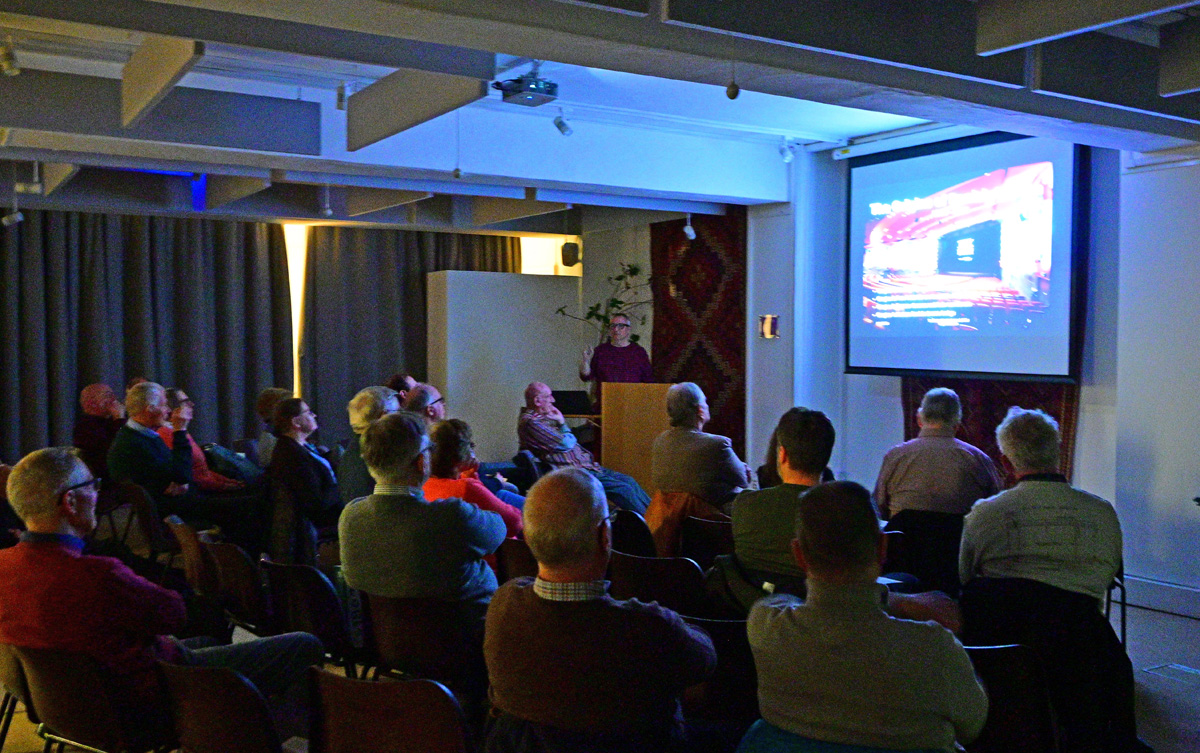 Infotainment presented "Almost like a real lecture" in full swing. Picture by: Charlotte Hauerslev I also tried to highlight the rather remarkable coincidence that cinema pioneers Robert W. Paul, Birt Acres and Charles Urban (of the Warwick Trading Company) all worked very close to where my presentation was taking place. A little local history thrown into the evening! The talk was well received, with no tomatoes flying across the room. The organisers seemed happy, and several members of the audience came up to congratulate me afterwards on an interesting lecture about a subject they knew very little about. The English are so polite! My 15 minutes of fame? When giving this kind of presentation, I use plenty of my own photographs and talk alongside the slides, which change approximately every 45 seconds as we move through the story. This is quite different from the traditional approach, where the presenter speaks from a written script, often with far fewer illustrations. I feel my "infotainment" style is much more enjoyable, both for me and for the audience, who seem to appreciate it. I often jokingly describe my presentations as "almost like a real lecture", as the whole thing has to be entertaining! A lively question-and-answer session followed, exploring, among other things, the differences between the UK and Denmark in cinema activity, cinema buildings and audience sizes. All in all, a fascinating evening. I felt honoured to be invited to present my version of Danish cinema history to the CTA members. Richard Norman and Ken Roe were the perfect hosts, and it was a pleasure meeting the members of the Cinema Theatre Association. Ken, Charlotte and I finished the day with a pint of beer in a nearby pub before Charlotte and I returned to our hotel. | |
About The Cinema Theatre Association | |
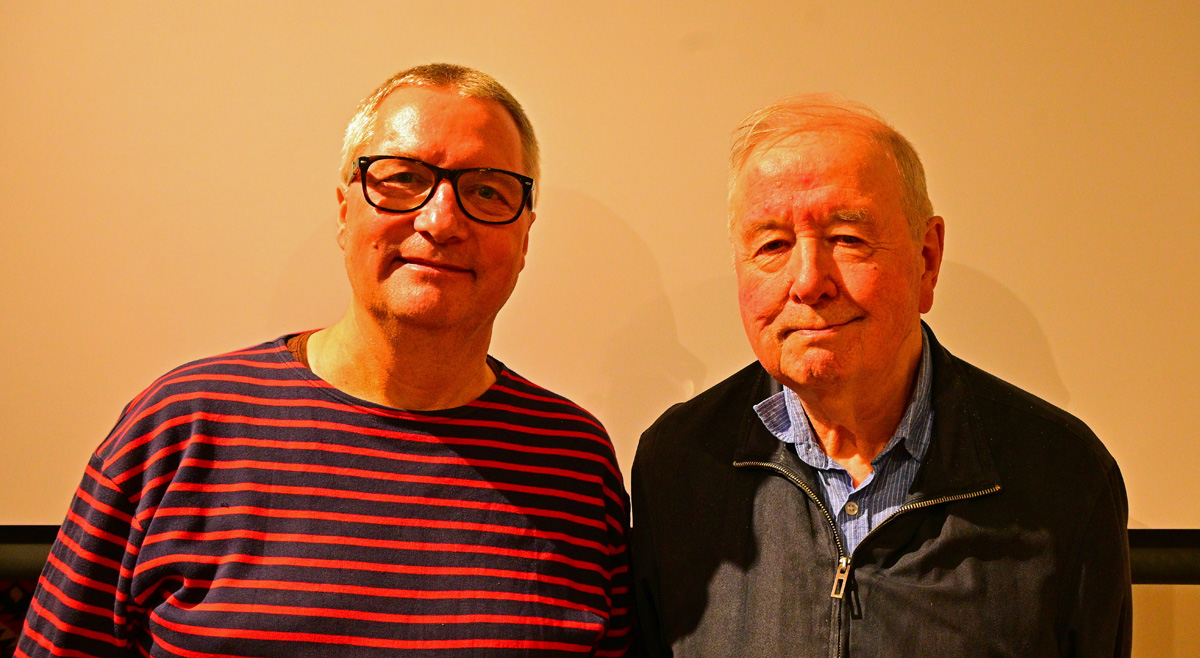 To the right is Mr. Allen Eyles (1941), author of "London's West End Cinemas" (1984) with todays lecturer from Denmark (who is a bit awestruck). Picture by: Charlotte Hauerslev The Cinema Theatre Association was founded in 1967 by journalist Eric George, who wanted to draw attention to the magnificent "cinema theatres" and movie palaces of the 1920s and 1930s that were beginning to disappear from Britain's towns and cities. Since then, the Association has widened its horizons to encompass all cinema and theatre buildings, from the humblest converted hall to the most modern multiplex. The CTA publishes a quarterly Bulletin and, once a year, a full-colour, high-quality magazine called "Picture House". The Association also publishes books on cinema history, including the acclaimed series of definitive histories of UK cinema circuits by well-known author and CTA Committee member Allen Eyles. See more about the Cinema Theatre Association | |
"Keep Calm and Carry On" | |
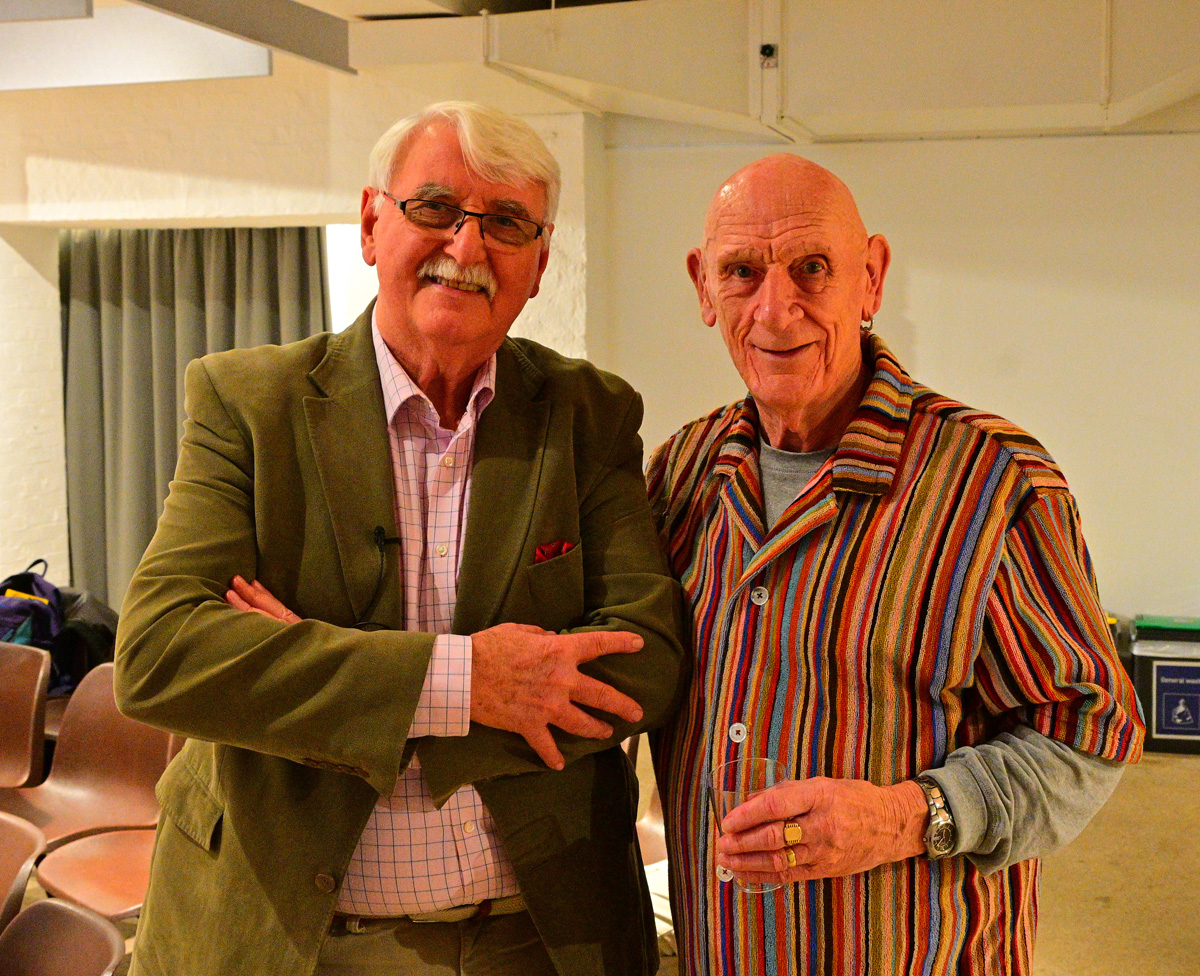 Richard Norman and Ken Roe were the perfect hosts, and it was a pleasure meeting the members of the Cinema Theatre Association. Picture by: Thomas Hauerslev The capital of the United Kingdom is home to around 9.1 million people, depending on how the boundaries are drawn, making it considerably larger than the entire population of Denmark. London is a massive city compared with Copenhagen. The sheer wealth and number of shops, theatres, cultural attractions, traffic, buildings and museums are overwhelming, to say the least. • Go to Cinemas of Copenhagen (2000) + Update (2003) There are people everywhere: on the streets, on the Tube (Underground), in the shops, restaurants, theatres and everywhere else. Unlike Copenhagen city centre, the megacity that is London seems to have multiple centres, extending tens of kilometres in all directions from Piccadilly Circus. Returning to Copenhagen late on Sunday evening felt rather like returning to a small village in comparison! Our London "mission" was both enjoyable and rewarding. "Keep Calm and Carry On", as the famous poster says. Everything seems to work, and I suspect there are very few places in London without good public transport. The familiar red buses are everywhere, and the Underground signs make it easy to find your way to virtually every square and neighbourhood in the city. We have enjoyed two visits to London during 2026: the first in the spring and now another during the pre-Christmas season, with all its decorations. These were our first visits to London since the Covid pandemic and the Brexit years of 2016–2020. This time, we stayed in a hotel near Lancaster Gate, close to Paddington station and Hyde Park. It was a pleasant and relatively quiet neighbourhood compared with the West End and the busy areas around Leicester Square, Oxford Street and Covent Garden. | |
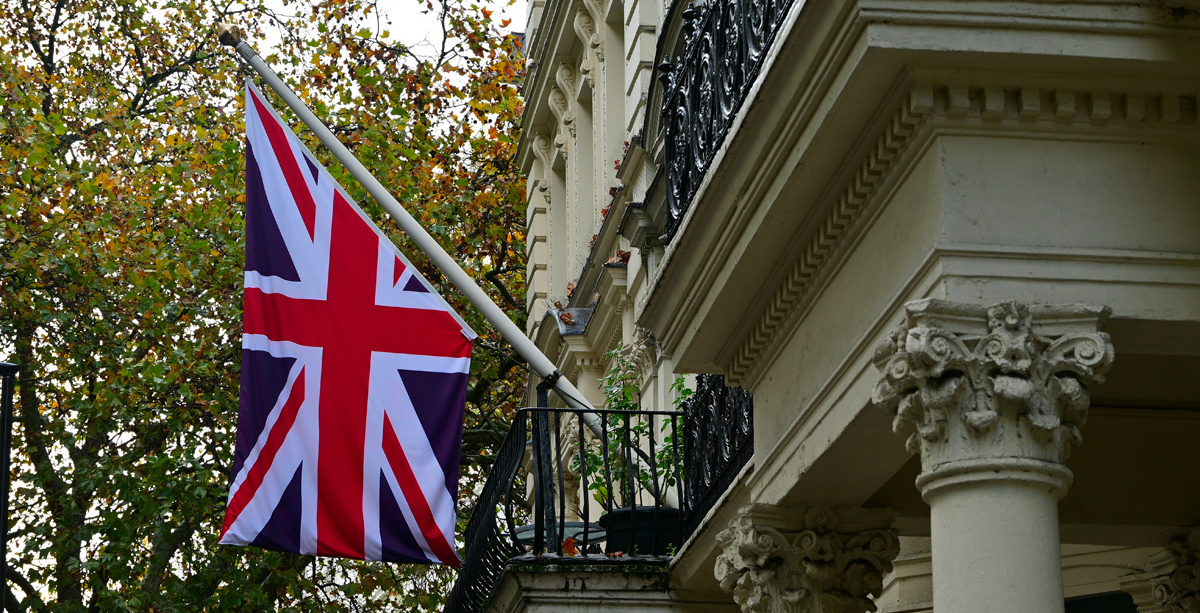 "Mind the gap", "See it. Say it. Sorted" and "Keep Calm and Carry On" are catchy slogans and everyday phrases you hear all the time in London. The Union Jack - dating back to 1801 - is what is keeping it all together. Picture By: Thomas Hauerslev Apart from one visit to the Odeon Marble Arch, at the western end of Oxford Street, I had never really ventured outside the West End to visit cinemas. In fact, since my first visit in 1981, I have mainly stayed around the cinemas near Leicester Square. Many of those cinemas have sadly disappeared or been rebuilt over the years. • Go to West End Cinemas (1990) • Go to Dominion + Empire + Odeon Leicester Square (2012) + Prince Charles Cinema (2017) It was therefore a real pleasure to discover three century-old London cinemas dating back to the silent-film era. Travelling back in time to the origins of cinema, with Ken as our perfect guide, was a wonderful way to celebrate 130 years of cinema. Merry Christmas! | |
 • Go to Time Travel with Ken Roe & Celebrating 130 Years of Danish Cinema | |
| Go: back - top - back issues - news index Updated 19-11-26 |